 English
Views: 178 Author: Site Editor Publish Time: 2025-07-14 Origin: Site
Laser glass drilling machines have revolutionized precision drilling in fragile and hard materials like glass. With their ability to deliver non-contact, high-speed, and micro-diameter drilling, these machines are now widely adopted in industries such as electronics, automotive, architectural glazing, and even decorative glass applications. However, working with high-powered lasers and delicate substrates introduces significant risks to operators and environments. That's why understanding the proper safety precautions when using a laser glass drilling machine is not just essential—it's mandatory.
This article delves into the safety measures, operator responsibilities, and risk mitigation practices that every workplace must adopt to maintain a secure and efficient laser drilling environment.
Before diving into safety protocols, it's crucial to understand what a laser glass drilling machine is and how it operates. These machines use a focused beam of light (laser) to melt, vaporize, or ablate the glass in a precisely controlled manner. Commonly used laser types include CO₂, femtosecond, or picosecond lasers, depending on the drilling requirements such as depth, diameter, and edge quality.
Unlike traditional mechanical drilling methods, laser drilling offers advantages like minimal mechanical stress, micro-level accuracy, and reduced risk of cracking. However, because of the high energy involved, even the smallest misjudgment can cause equipment damage or serious injury.
Thus, recognizing the working principle also illuminates the potential hazards: optical radiation exposure, thermal hazards, fume emissions, and glass debris.
PPE is a cornerstone of laser operation safety. Every operator or technician working with a laser glass drilling machine should be equipped with certified personal protective equipment. PPE requirements include but are not limited to:
Laser Safety Glasses: Must match the laser's wavelength and optical density.
Cut-Resistant Gloves: Protection against handling sharp-edged glass sheets or debris.
Protective Lab Coats or Flame-Resistant Aprons: To prevent burns or skin exposure.
Respiratory Masks: Especially when drilling results in fume emissions from coated or treated glass surfaces.
In addition, long sleeves, closed footwear, and face shields should be worn when operating near the laser unit or changing workpieces. Neglecting PPE not only endangers the operator but also violates workplace safety regulations.
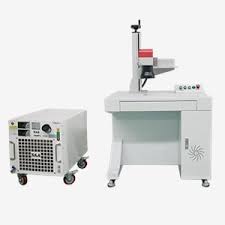
One of the most critical safety measures in laser machinery is the presence of proper enclosures and interlock systems. A high-quality laser glass drilling machine should feature:
Fully Enclosed Work Areas: Prevents laser beam escape and shields the operator.
Automatic Interlocks: Disable the laser if the door or cover is open.
Emergency Stop Buttons: Within reach of the operator for immediate shutdown.
These systems are designed not only to protect personnel from direct laser exposure but also to isolate moving parts and heated components. The interlock system is particularly vital—it ensures that no part of the human body can accidentally enter the laser path during operation.
Note: Operators should never attempt to bypass or override these safety features.
Drilling into certain types of glass—especially coated, laminated, or UV-treated glass—can generate hazardous fumes. Prolonged exposure to these byproducts can result in respiratory irritation, eye discomfort, or long-term health issues. Therefore, proper fume extraction and ventilation systems must be installed and regularly maintained.
Here's a quick overview of recommended air quality control systems:
| Component | Function | Safety Benefit |
|---|---|---|
| Fume Extractor | Captures fumes at source | Reduces inhalation of glass vapor and coatings |
| HEPA Filters | Filters fine particles | Removes microscopic glass dust |
| Activated Carbon Filters | Adsorbs organic compounds | Neutralizes chemical fumes |
These systems should be installed near the drilling station and checked weekly to ensure optimal performance. Operators must also be trained to identify signs of poor ventilation such as foggy enclosures, persistent odors, or eye irritation.
Ignoring routine checks can transform a precision machine into a ticking safety hazard. Preventative maintenance and pre-operation inspections are key to identifying malfunctioning components, misaligned lasers, or unstable mounting stages. Key items to check include:
Laser Alignment and Power Output
Cooling System Integrity
Sensor Functionality
Glass Mounting Stability
Enclosure Seal and Door Locks
Any signs of malfunction, such as unusual noises, overheating, or beam inconsistency, should prompt immediate shutdown and inspection. Operators should never continue using a laser glass drilling machine if any part appears damaged or misaligned.
Maintenance logs should be kept digitally or in hard copy, with clear sign-offs and timestamps. This is also important for audit compliance and incident tracking.
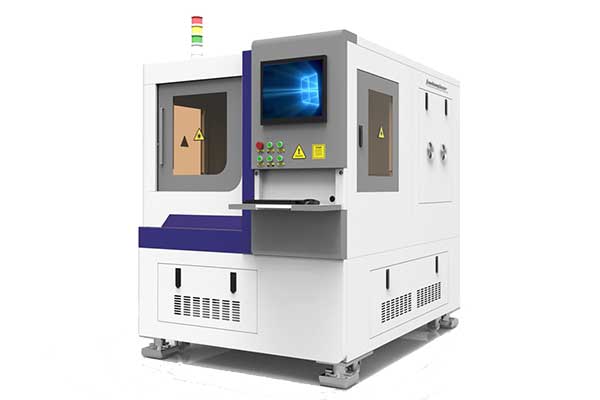
Glass is a delicate and often unpredictable material. Even before the laser is turned on, improper handling can lead to breakage, injury, or machine contamination. Follow these best practices:
Use Suction Cups or Glass Lifters: Prevents direct contact and finger oils from affecting laser performance.
Check for Pre-Existing Cracks or Imperfections: These can worsen during drilling and potentially shatter under thermal stress.
Secure the Workpiece Properly: Misalignment can lead to failed drills or damage to the focusing lens.
Ensure that the operator uses non-abrasive cleaning solutions to wipe the glass surface before mounting. Clean surfaces improve laser absorption and minimize errors.
Also, avoid stacking multiple sheets unless the machine is specifically designed for multi-layer operations, as this can affect focal depth accuracy and energy distribution.
Advanced machinery demands skilled users. One of the most overlooked but vital safety practices is ensuring that only trained and certified personnel are allowed to operate the laser glass drilling machine. Training should include:
Laser Class and Hazard Recognition
PPE Usage and Emergency Protocols
Software Operation and Parameter Settings
Pre-Drill Checks and Shutdown Procedures
Moreover, companies should implement access control systems such as keycards, login-based authentication, or biometric access to restrict unauthorized use.
Regular refresher training every six months and drill simulations for emergencies (like beam misfire or machine power loss) are also highly recommended.
Q1: What should I do if the laser glass drilling machine suddenly shuts down?
A1: First, press the emergency stop button if the machine hasn't done so automatically. Next, inspect for overheating or power supply issues. Do not attempt to restart without a technician's approval.
Q2: Can I operate the machine without the enclosure closed if I wear laser glasses?
A2: Absolutely not. Laser enclosures are the primary protection. PPE is supplementary, not a replacement for engineering controls.
Q3: Is it safe to drill all types of glass using the same machine?
A3: No. Different types of glass—such as borosilicate, tempered, or coated—have different thermal and optical properties. Always verify compatibility with your machine's settings.
The use of a laser glass drilling machine demands a strict, multi-layered approach to safety. From understanding the technology to implementing robust protective measures and ongoing training, every step is critical in ensuring a hazard-free environment. By adhering to the safety precautions outlined in this guide—PPE, machine design, air quality control, regular maintenance, secure glass handling, and operator training—businesses can optimize performance while minimizing risks.
In the world of high-precision laser glass processing, safety isn't just a guideline—it's part of the operating protocol. When practiced correctly, it safeguards your workforce, enhances machine longevity, and ensures uninterrupted productivity.
